August 10, 2018
Immigration Does More Good Than Bad To Economy

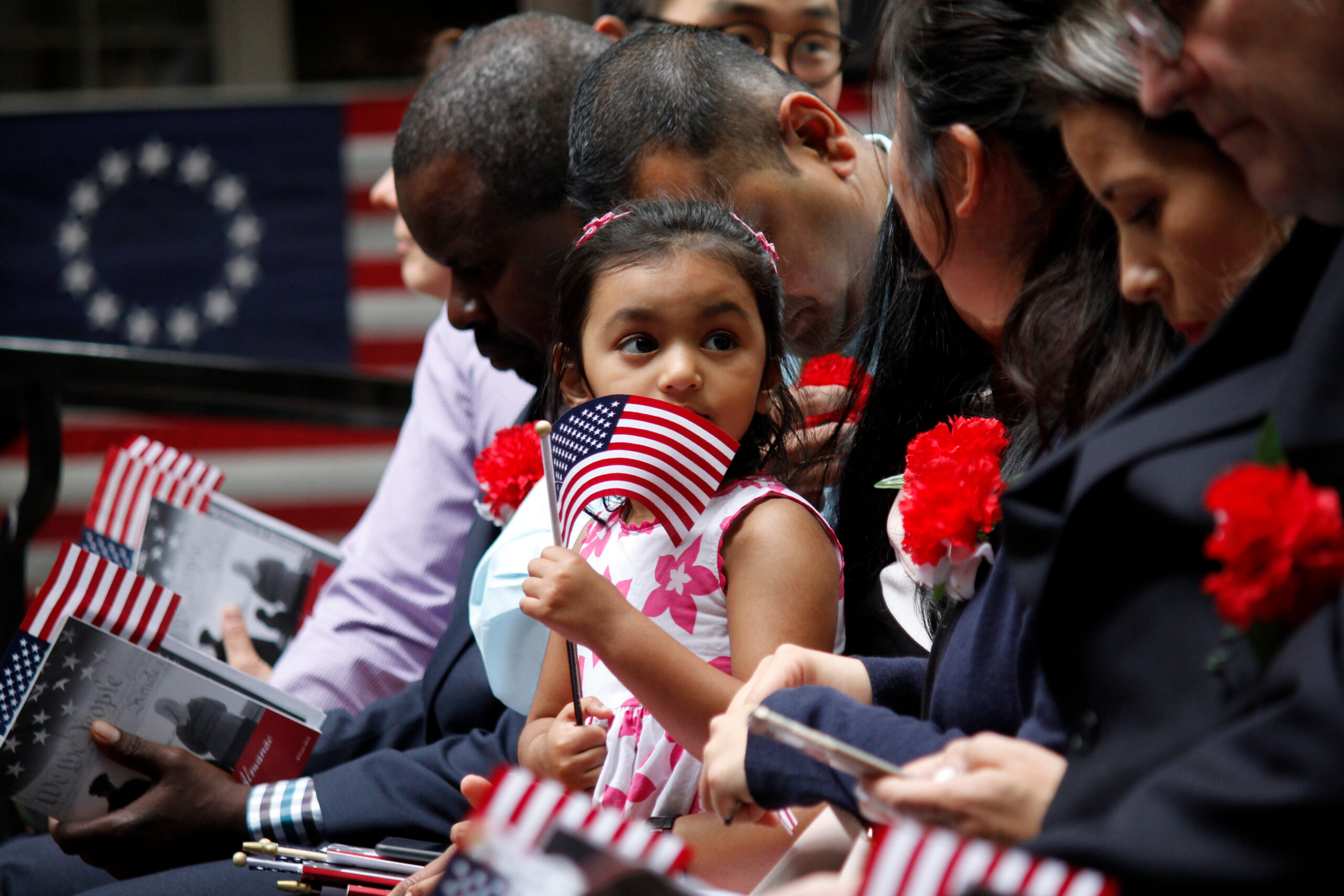
Becoming a U.S. citizen is one of the most important milestones in a person’s immigration journey. Citizenship can bring security, voting rights, a U.S. passport, protection from deportation in most situations, and the ability to help certain family members immigrate. Because it is such a meaningful status, it is understandable to feel worried when you hear phrases like “revoking U.S. citizenship” or “denaturalization.”
So, can citizenship be revoked? In rare cases, yes. However, the government cannot simply take citizenship away because of a mistake, a political opinion, an old immigration issue, or a general accusation. Revocation of U.S. citizenship is a serious legal process, and the government must meet specific legal standards.
At the Law Office of Patricia M. Machado, P.C., we understand how much your immigration status means to you and your family. If you are concerned about your citizenship, naturalization history, or a government notice, speaking with a citizenship lawyer in Manhattan can help you understand what may be at risk and what steps to take next.
Before discussing revocation, it is important to understand the difference between having citizenship taken away and choosing to give it up.
Revocation, also called denaturalization, is when the government seeks to take citizenship away from someone who became a U.S. citizen through naturalization. This usually involves allegations that the person was not legally eligible for citizenship or obtained it through fraud or concealment.
Renunciation is different. To renounce U.S. citizenship means a citizen voluntarily gives up citizenship, usually before a U.S. diplomatic or consular officer outside the United States. People may search “renounce US citizenship” for tax, personal, family, or residence reasons. But this is a serious and usually irreversible decision that should never be made without understanding the consequences.
In simple terms: revocation is something the government tries to do; renunciation is something the citizen chooses to do.
For most people born in the United States, citizenship is extremely secure. U.S.-born citizens generally cannot be denaturalized because they did not go through the naturalization process.
Denaturalization usually applies to naturalized citizens, meaning people who first became lawful permanent residents and later applied for U.S. citizenship. If someone was born a U.S. citizen, the government’s ability to take away citizenship is much more limited.
This distinction matters because many people panic after hearing about citizenship revocation in the news. If you are a naturalized citizen, the government would generally need to show a serious problem with how citizenship was obtained. If you are a U.S.-born citizen, the analysis is different.
Naturalized citizenship can be revoked if the government proves that citizenship was illegally obtained or procured through concealment or willful misrepresentation. This does not mean every error on an immigration form leads to denaturalization. The issue is whether the problem was legally significant and connected to eligibility for citizenship.
Common concerns in denaturalization cases may include:
For example, if a person was never legally eligible for a green card but later became a citizen based on that status, the government may argue that naturalization was illegally procured. These cases can become complicated because they may involve old applications, prior interviews, criminal records, family petitions, or documents filed many years earlier.
No. A criminal conviction does not automatically revoke U.S. citizenship. Naturalized citizens do not lose citizenship simply because they are accused of a crime or convicted after becoming a citizen.
However, certain criminal issues can create denaturalization risk if they show that the person was not eligible for citizenship at the time of naturalization or concealed information during the process. For example, if the government claims that a person lied about past conduct, failed to disclose an arrest, or did not meet the good moral character requirement during the relevant period, the conviction may become part of a larger citizenship review.
Timing is important. A conviction years after naturalization is different from conduct that occurred before naturalization but was hidden during the application process.
If you are a naturalized citizen facing a criminal matter, do not assume it has no immigration impact. It is wise to speak with an attorney who understands both criminal and immigration consequences before making decisions.
Revoking U.S. citizenship is not supposed to happen casually. The government must bring a legal action and prove its case. The person facing denaturalization has the right to respond, present evidence, and defend against the allegations.
A denaturalization case may involve old immigration files, naturalization applications, green card records, visa applications, interview notes, criminal records, travel history, and testimony. Because these cases often look backward many years, small details can become important.
At the Law Office of Patricia M. Machado, P.C., we know immigration paperwork can feel overwhelming even when everything is going well. When the government questions a prior filing, the stress can be even greater. Legal guidance can help you understand what the government is alleging and whether there are defenses, explanations, or evidence that may protect your status.
A mistake can cause concern, but not every mistake means citizenship will be revoked. Immigration forms are detailed, and many applicants complete them while dealing with language barriers, confusing instructions, old records, or advice from people who are not lawyers.
The seriousness of a mistake depends on what the error was, whether it was intentional, whether it affected eligibility, and whether it involved a material fact. A minor typo is very different from hiding a prior removal order, criminal conviction, false identity, or fraud-related issue.
If you are preparing for naturalization, accuracy matters. Working with a lawyer during the adjustment of status or citizenship process can help prevent mistakes before they become long-term problems.
If naturalized citizenship is revoked, the person generally returns to the immigration status they had before naturalization, if that status is still valid. In some cases, the person may become a lawful permanent resident again. In other cases, especially if the underlying green card was allegedly obtained through fraud, the person may face removal proceedings.
The consequences can also affect family members in some situations. If relatives received immigration benefits based on the person’s citizenship, those cases may need careful review.
This is why denaturalization concerns should be taken seriously. Citizenship affects more than paperwork. It can affect family unity, travel, employment, benefits, security, and long-term plans in the United States.
If your family’s immigration history involves petitions, visas, or sponsorship, it may also be helpful to review issues connected to family-based green cards or visas with an experienced immigration attorney.
Some people search for “renounce US citizenship” because they are considering giving up citizenship voluntarily. This is a major decision. Renunciation generally means losing the rights and responsibilities of U.S. citizenship, including the right to live in the United States as a citizen, vote in U.S. elections, and use a U.S. passport.
Renunciation is not a shortcut to avoid every legal, tax, or financial responsibility. It also does not guarantee that a person can freely return to the United States later. A person who renounces may need a visa or other permission to enter the country in the future.
Before renouncing, it is important to speak with qualified legal and tax professionals. Once completed, renunciation can be very difficult or impossible to undo.
If you are concerned about revoking U.S. citizenship, denaturalization, or a mistake in your immigration history, do not ignore the issue. Early legal advice can help you understand the real level of risk.
Important steps may include:
For immigrants who are still building toward long-term status, programs and applications such as DACA, green cards, visas, and citizenship should be handled carefully from the beginning. Strong preparation today can help avoid complications later.
Questions about citizenship can feel frightening because the stakes are so personal. You may be worried about your family, your future, your ability to travel, or whether something from years ago could create problems now.
At the Law Office of Patricia M. Machado, P.C., we provide compassionate, knowledgeable immigration guidance for individuals and families in New York and beyond. Whether you are applying for citizenship, worried about a past immigration filing, considering renunciation, or concerned about possible revocation, we can help you understand your options.
To discuss your situation, contact the Law Office of Patricia M. Machado, P.C. today.